
Bowyers Craft: Yew Longbow Carving
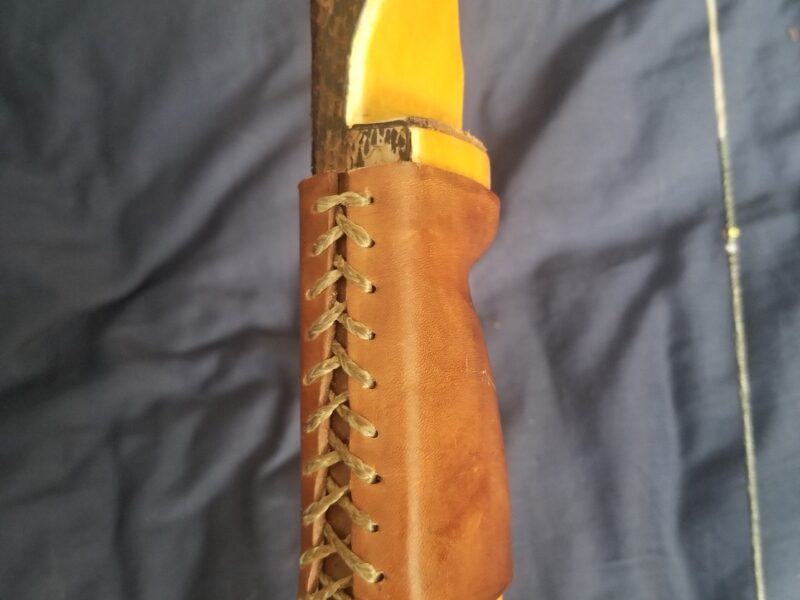
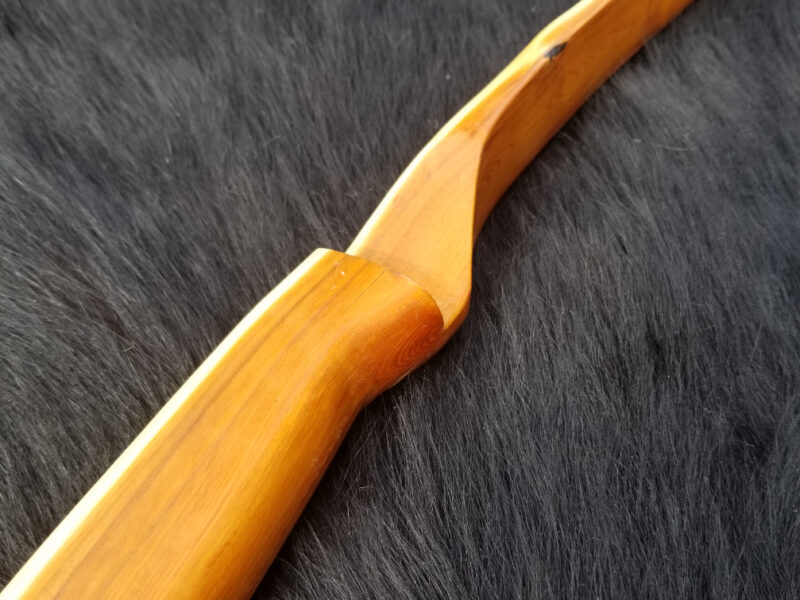
 Handle Detail

Have you ever wanted to make your own longbow?
Traditional longbows are both beautiful and unique as every piece of wood is different. Working with the stave blank using hand tools you will slowly coax the bow out of the wood. No carpentry experience is required and you will be using hand tools such as axes, drawknives, spokeshaves and a shave horse. A good longbow is said to be 9/10ths broken at full draw and can become a nerve racking process as the tillering gets closer to full draw. There is an awesome sense of satisfaction at making and crafting a bow that you can shoot. Bow making is a rewarding process and once you have made one you will want to make more.
You can work to a target bow draw weight or just see what happens and where you finish up. Yew is the best bow making wood in the area and it’s also one of the best in the world. The Kootenays grows some of the strongest yew. Due to its relatively harsher winters than the coast and with a shorter growing season the grain gets a bit tighter and the wood gets a bit stronger. This is all to our advantage! It means we can make smaller lighter bows that are still strong and fast shooters. Many woods can make good bows and in fact you can make a bow with almost any wood but whether it will last you a lifetime or not is a different question. Yew can outlast every set of arrows you have.
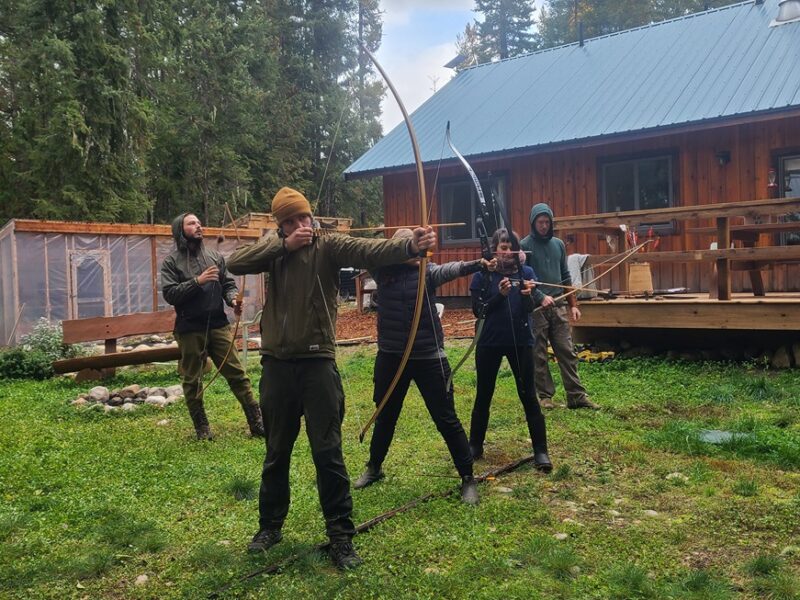
You will go home with a bow that is suitable for hunting small or large game. You get to choose your stave and we will take you through the whole process. Roughing out the bow to putting it on a tiller and seeing how it behaves. You will make a string to fit your bow and we will get some shooting in before you leave.
You can come and make your own bow for almost as much as it would be to buy a basic yew bow. The knowledge and skill you will acquire means you can go home and make more! So what is stopping you from making your own bow?
Goals and Objectives
- Understand the principles of what makes a good bow
- Select suitable wood for making a bow
- Use and become familiar with spokeshaves, block planes, rasps and scrapers
- Split and rough out a bow blank with an axe
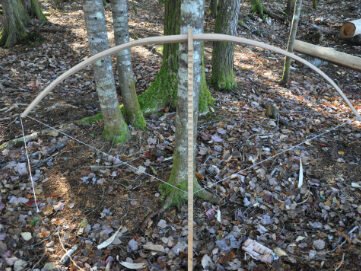
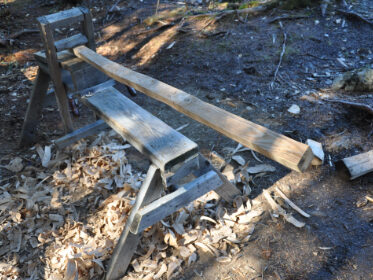
- Using a shavehorse and tillering stick
Tools
Please bring a few hand tools with you if you have them
- Farriers Rasp
- Hatchet
- Knife
- Drawknife
- Steel cabinet scrapers
Accommodation
Accommodation is available in our glamping tents on a first come first serve basis at an additional cost.
Camping is available as is a power hook up for trailers and campers.
Dates
5 days (to be announced)
Please contact us if you are interested and we will notify you when dates are set.
Cost
$500
Staves are an additional cost as no 2 staves are alike. A stave can vary from $50 to $250 depending on features and characteristics. To be paid at selection.